
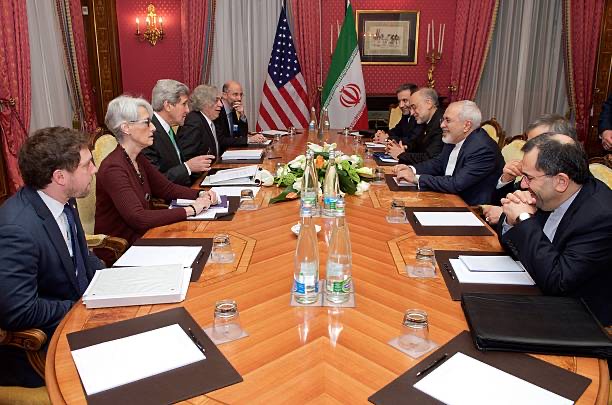
Why Iran Can’t Be Trusted: A Pattern of Stalling in US Negotiations
Every time the US sits down with Iran, the same script plays out.
Meetings get scheduled, diplomats fly in, statements promise “constructive dialogue” — and then nothing.
Deadlines slip. Commitments vanish. The can gets kicked down the road. After decades of this cycle, the conclusion is unavoidable: Iran’s stalling isn’t a glitch in the process. It’s the strategy.
Stalling Buys Time for the Nuclear Program
Negotiations with Iran have dragged on for years — the JCPOA talks, the Vienna rounds, backchannel meetings in Oman. Each time, Tehran shows up just long enough to avoid tougher sanctions or military pressure, then finds a reason to delay. A new demand. A “technical review.” A complaint about the format of the table. While US negotiators wait for answers, Iranian centrifuges keep spinning. The goal isn’t a deal. It’s breathing room.
Broken Promises Are the Norm
Look at the track record. Iran agreed to the 2015 nuclear deal, then was caught exceeding uranium enrichment limits and blocking IAEA inspectors. It pledged to curb missile development, then unveiled new hypersonic weapons. It promised to de-escalate regional proxies, then kept funding Hezbollah and the Houthis. Every agreement becomes a starting point for the next violation. When a government treats signed commitments as temporary suggestions, future meetings are meaningless.
“Meetings” Are a Diplomatic Weapon
Tehran uses negotiations as leverage, not problem-solving. By agreeing to meet, Iran gets the US to ease pressure and splits Washington from allies who want to keep diplomacy alive. By stalling once at the table, Iran paints the US as impatient or unreasonable if it walks away. The process itself becomes the win. The US wants resolution; Iran wants perpetuation. You can’t negotiate in good faith with a party whose victory condition is never reaching an outcome.
The Domestic Playbook
Iranian hardliners openly call negotiations with the “Great Satan” a tactic, not a path to peace. Stalling plays well at home: it projects defiance, shows the regime won’t bow to the West, and gives leadership time to consolidate power between election cycles. Any deal that actually constrained Iran would be political suicide for the officials at the table. So they come, they talk, and they stall — because solving the issue would cost them more than dragging it out.
The Bottom Line
Trust is built on predictable behavior over time. Iran’s behavior is predictable: delay, deflect, and advance its position while the other side waits for good faith that never comes. After 40+ years of this pattern, every new meeting that starts with “we’re ready to talk” should be read as “we’re ready to waste your time.”
You don’t keep scheduling meetings with a party that profits from not reaching agreement. At some point, calling it “diplomacy” stops being strategy and starts being denial. Iran has shown, meeting after meeting, that it can’t be trusted — because stalling isn’t how they fail to negotiate. It’s how they negotiate.
Be the first to comment