
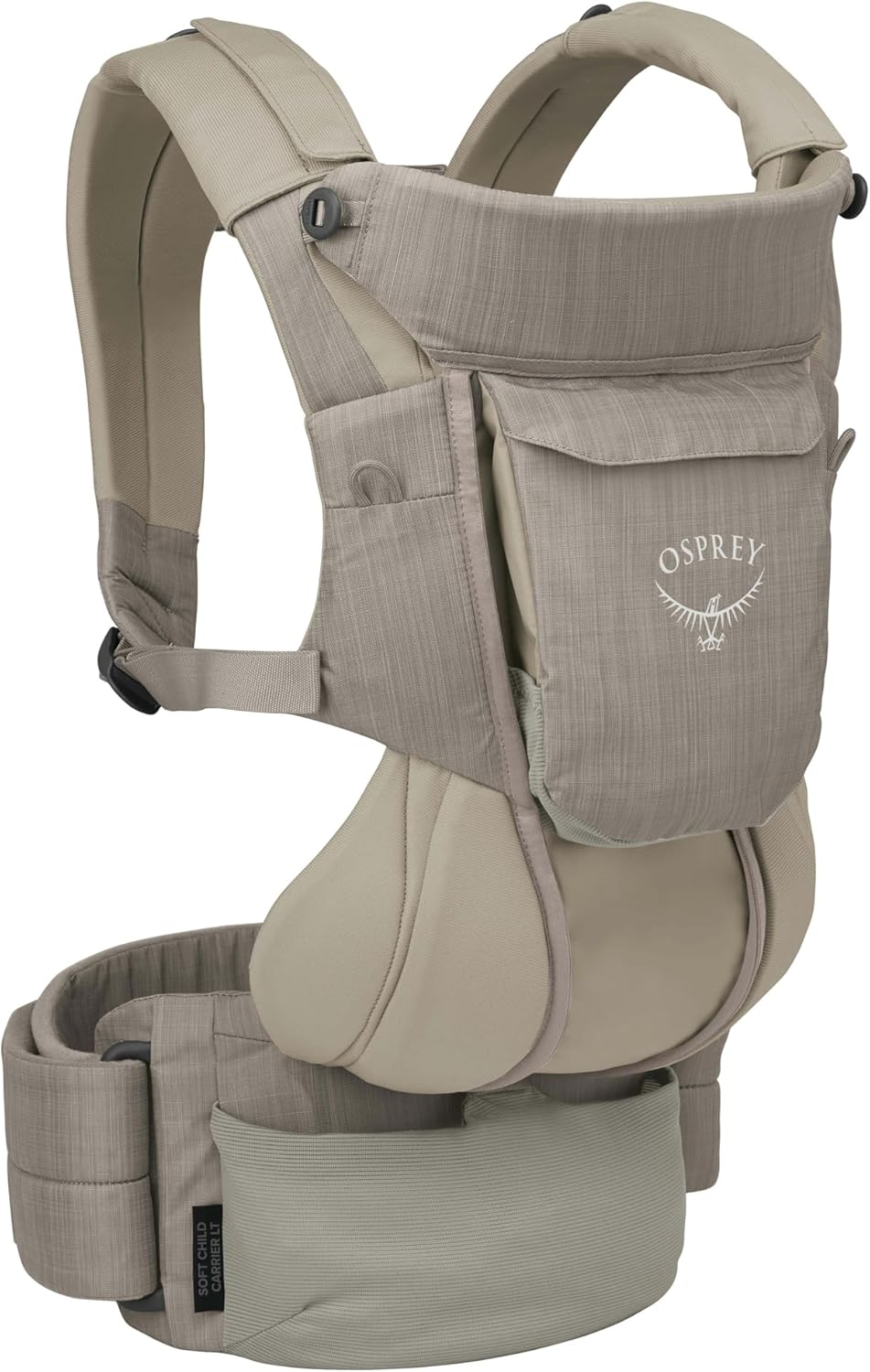
Osprey Poco Soft Child Carrier Review (Concrete): The Best Baby Carrier for Active Parents in 2025
By a Parent Who Has Tested It Extensively on Trails, Urban Walks, and Everything In Between
Table of Contents
- Introduction: Why I Chose the Osprey Poco Soft Child Carrier
- Key Specifications at a Glance
- Design and Build Quality
- Three Carry Positions: Newborn to Toddler
- Comfort for Parents and Caregivers
- Baby Comfort and Safety Features
- Breathability and Ventilation
- Sustainability and Eco-Friendly Design
- Ease of Use and Adjustability
- Performance on the Trail vs. Everyday Use
- Pros and Cons
- How It Compares to Other Baby Carriers
- Who Should Buy the Osprey Poco Soft Child Carrier?
- Final Verdict
- Frequently Asked Questions (FAQ)
1. Introduction: Why I Chose the Osprey Poco Soft Child Carrier {#introduction}
When my daughter was born, I refused to accept that my hiking days were over. I had spent years exploring trails, logging weekend adventures, and spending as much time outdoors as possible. The idea of swapping all that for stroller-only walks in flat, paved parks felt like a compromise I wasn’t ready to make. That’s why I started researching the best baby carrier for hiking — one that could handle real outdoor terrain while also keeping up with our busy day-to-day life.
After weeks of reading reviews, comparing specifications, and watching countless video walkthroughs, I landed on the Osprey Poco Soft Child Carrier in Concrete. I’ve now been using it for several months across a wide range of conditions — mountain trails, city streets, grocery runs, and everything in between — and I’m ready to share exactly what makes this carrier stand out.
The short answer? It’s exceptional. The longer answer is what the rest of this review is all about.
2. Key Specifications at a Glance {#specifications}
| Feature | Details |
|---|---|
| Model | Osprey Poco Soft Child Carrier |
| Color Reviewed | Concrete |
| Carry Positions | 3 (Facing In, Facing Out, Back Carry) |
| Child Weight Range | 7 – 33 lbs (newborn to toddler) |
| Child Age Range | Newborn to 36 months |
| Torso Fit | 14 – 21 inches |
| Main Material | 100% recycled 210 HT ripstop nylon (bluesign® approved) |
| Padding Material | EVA and PU foams |
| Certification | bluesign® PRODUCT |
| Machine Washable | Yes |
| Headrest | Breathable, padded, foldaway |
| Hip Belt | Extra-wide, 3D mesh, dual adjustment |
| Shoulder Straps | 3D mesh, ventilated foam |
| Child Seat | 3D mesh for breathability |
| Drool Pads | Removable, along shoulder straps |
| Fail-Safe Tab | Inside hipbelt for secure wear |
3. Design and Build Quality {#design-and-build-quality}
The first thing I noticed when the Osprey Poco Soft Child Carrier arrived was how premium it felt right out of the box. The Concrete colorway is a beautiful, neutral slate-grey that pairs well with just about any outfit — something that might sound trivial but genuinely matters when you’re wearing a carrier multiple times a day.
The materials are top-tier. The main body is constructed from bluesign® approved 100% recycled 210 high tenacity (HT) ripstop nylon, which means it’s both rugged and responsibly made. This is the same attention to material quality you’d expect from a brand that has been crafting premium outdoor gear since 1974. The ripstop construction resists tearing even when you’re pushing through dense brush on the trail, and the woven texture feels like it’s built to last through multiple years and possibly multiple children.
Stitching is clean and consistent throughout. The buckles are solid acetal hardware with a satisfying click when engaged. Nothing feels flimsy or like it will break down after a season of regular use. For parents who invest in gear and expect it to hold up, the Osprey Poco Soft Child Carrier delivers exactly that.
The Concrete color in particular shows off the carrier’s clean aesthetic — understated and modern, with no loud branding or eye-catching logos that might clash with the natural environments where it performs best.
4. Three Carry Positions: Newborn to Toddler {#three-carry-positions}
One of the most compelling selling points of the Osprey Poco Soft Child Carrier is its three-position carry system, which makes it one of the most versatile baby carriers on the market today for active families.
Facing In (Newborn Position)
For the earliest days and weeks with a newborn, the inward-facing carry position provides the snug, womb-like closeness that newborns crave. This is the recommended position for babies who don’t yet have full head and neck control. My daughter spent her first months in this position, and I can say with full confidence that she was comfortable, secure, and calm whenever she was in it. The padded headrest provides gentle support at the back of the head, and the closeness to my chest seemed to soothe her reliably on fussy evenings.
Facing Out (Infant Position)
Once babies develop better head and neck control — typically around 4 to 6 months — the carrier transitions smoothly into the outward-facing position. This is when the real fun begins: babies get a full view of the world around them, which is endlessly stimulating. The adjustable harness system accommodates forward-facing infants up to 16 months, and the transition between positions is straightforward once you’ve practiced it a couple of times.
Back Carry (Older Children)
The back carry position is designed for older children aged 12 to 36 months, offering a more ergonomic distribution of weight as little ones grow heavier. This position is ideal for longer hikes, where the back-carry setup allows better balance and reduces fatigue far more efficiently than a front carry with a growing toddler.
This three-stage grow-with-your-child design means you’re not buying a different carrier every six months. The Osprey Poco Soft grows alongside your family, making it one of the best long-term investments in baby gear you can make.
5. Comfort for Parents and Caregivers {#comfort-for-parents}
Parent comfort is often an afterthought in baby carrier design, but Osprey clearly took it seriously here. The extra-wide, 3D mesh padded hipbelt with dual adjustment is the backbone of the carrier’s ergonomic system, transferring a significant portion of the child’s weight from the shoulders to the hips — where it’s far easier for the body to manage.
The dual adjustment hipbelt is a standout feature. Being able to fine-tune the fit from both sides means you can achieve a genuinely custom fit, regardless of body shape or torso size. The carrier accommodates torso lengths from 14 to 21 inches, which covers a wide range of adult body types.
The 3D mesh shoulder straps with ventilated foam distribute weight across the upper body without creating pressure points. After a full day on the trail wearing my daughter, my shoulders felt far less taxed than they had with previous carriers I’d tried. The sternum strap adds another point of stability, preventing the shoulder straps from sliding outward during movement.
A nice safety detail is the fail-safe tab inside the hipbelt, which helps ensure the carrier stays securely fastened during use — a small but meaningful design decision that adds peace of mind, especially when hiking on uneven terrain.
6. Baby Comfort and Safety Features {#baby-comfort-and-safety}
Keeping your baby safe and comfortable is, of course, the primary objective of any child carrier, and the Osprey Poco Soft does not disappoint.
The breathable, padded headrest is designed specifically for newborns and younger infants who need additional head and neck support. What makes it particularly thoughtful is that it folds away cleanly when not needed, so it doesn’t get in the way as your child grows and no longer requires it.
The 3D mesh child seat promotes healthy hip positioning for babies, keeping them in the ergonomically recommended “M position” (also called the spread-squat position), which is widely considered the optimal posture for infant hip development. This is a critical feature for parents who spend long periods carrying their children.
Removable drool pads along the shoulder straps are a practical addition that any parent with a teething baby will appreciate enormously. They’re easy to remove and throw in the wash, which helps keep the entire carrier cleaner for longer.
The harness and closure system is intuitive, and with a little practice, loading and securing a baby becomes quick and easy — important when you’re wrangling a wriggly infant while trying to get out the door on time.
7. Breathability and Ventilation {#breathability-and-ventilation}
One of the most common complaints about baby carriers — especially structured ones — is heat buildup. Babies and parents in close contact generate significant warmth, and a poorly ventilated carrier can quickly become uncomfortable and sweaty.
Osprey addressed this with thorough engineering. 3D mesh is used across the hipbelt, shoulder straps, and child seat, promoting airflow from multiple directions simultaneously. The mesh fabric wicks moisture and allows heat to escape rather than trapping it between parent and child.
During warmer weather hikes, I noticed a meaningful difference compared to carriers I’d used previously. My daughter didn’t become as flushed, and the mesh backing kept my own back cooler than I expected. The ripstop nylon main body also dries quickly if you encounter rain or work up a sweat on the trail.
This level of ventilation makes the Osprey Poco Soft Child Carrier genuinely wearable in warm climates and during aerobic outdoor activities — not just a fair-weather carrier for mild days.
8. Sustainability and Eco-Friendly Design {#sustainability}
For environmentally conscious parents, the Osprey Poco Soft Child Carrier stands out as a leader in sustainable baby gear manufacturing.
It holds the distinction of being the first certified bluesign® PRODUCT child carrier on the market. The bluesign® certification is rigorous — it means that materials and components were selected based on strict environmental and social criteria throughout the entire production process. This includes responsible chemical management, resource efficiency, and safe working conditions.
The main body is made from 100% recycled 210 HT ripstop nylon, and accent materials are 100% recycled polyester mesh — both bluesign® approved. Choosing this carrier is a meaningful way to align your purchasing decisions with your values as a parent who cares about the world your child will inherit.
The carrier is also machine washable, which extends its lifespan significantly compared to carriers that require hand washing or dry cleaning and are more likely to be discarded when they become visibly worn or stained.
9. Ease of Use and Adjustability {#ease-of-use}
I’ll be honest: there is a learning curve. Any structured baby carrier requires some practice before it becomes second nature, and the Osprey Poco Soft is no different. However, Osprey has clearly prioritized intuitive design throughout.
The dual adjustment system on both the shoulder straps and hipbelt means two caregivers of very different sizes can share this carrier without lengthy re-fitting sessions. My partner and I are quite different in height and build, and switching the carrier between us takes only a few minutes once you know the system.
The headrest adjustment is simple — fold it up for support, fold it down when not needed. The transition between carry positions requires reading the manual the first time, but once you’ve done it, the logic is clear and consistent.
The carrier is also machine washable, which simplifies long-term maintenance considerably. Remove the drool pads, zip any loose straps, and you’re good to go.
10. Performance on the Trail vs. Everyday Use {#performance}
The Osprey Poco Soft Child Carrier was specifically designed to bridge the gap between outdoor performance and everyday practicality — and it largely succeeds.
On the trail, the ripstop nylon construction handles brush, mud, and the occasional snag without issue. The ergonomic carrying system makes longer hikes far more manageable than with a basic structured carrier, and the back-carry position for older children is genuinely trail-worthy. I’ve taken this carrier on multi-hour hikes on uneven terrain with my daughter in the back position, and it held up beautifully with no significant discomfort on my end and a happy, engaged child on the trail.
For everyday urban use — grocery runs, walks around the neighborhood, park trips — the carrier’s profile is compact enough to navigate through doorways and tight spaces without issue. It doesn’t feel bulky or over-engineered for mundane errands.
It’s worth noting that this is a soft carrier designed for loads up to 33 pounds — it’s not intended for backcountry camping with a toddler and a full pack. For those longer, heavier-duty adventures, Osprey’s framed Poco Premium or Poco Plus are better suited. But for the vast majority of family outdoor activities, the Poco Soft is more than capable.
11. Pros and Cons {#pros-and-cons}
Pros
- Three carry positions cover newborn through toddler age (up to 36 months)
- First bluesign® certified child carrier — outstanding sustainability credentials
- Superior ventilation via 3D mesh across all contact points
- Extra-wide dual-adjustment hipbelt for excellent weight distribution
- Made from 100% recycled materials
- Foldaway headrest for developmental flexibility
- Removable, washable drool pads
- Fail-safe tab in hipbelt for added security
- Fits a wide range of adult torso sizes (14–21 inches)
- Machine washable
- Neutral Concrete colorway is stylish and versatile
Cons
- Slight learning curve for first-time structured carrier users
- Not designed for backcountry or heavy-load hiking (for that, consider the Poco Premium)
- Sunshade not included (available separately)
12. How It Compares to Other Baby Carriers {#comparison}
| Feature | Osprey Poco Soft (Concrete) | Generic Structured Carrier | Osprey Poco Premium |
|---|---|---|---|
| Carry Positions | 3 | 2–3 | 1 (back only) |
| Child Weight Range | 7–33 lbs | 8–32 lbs | 16–48.5 lbs |
| Sustainability Cert | bluesign® PRODUCT | Usually none | bluesign® PRODUCT |
| Machine Washable | Yes | Varies | Cockpit only |
| Trail-Ready | Yes | Limited | Fully framed |
| Ideal For | Newborn to toddler, trail & everyday | Everyday only | Toddler, long hikes |
| Ventilation | 3D mesh throughout | Basic mesh | Ventilated panels |
The Osprey Poco Soft occupies an excellent middle ground: more capable outdoors than a typical everyday structured carrier, more accessible and affordable than the fully framed Poco Premium, and uniquely versatile across all stages of infancy and toddlerhood.
13. Who Should Buy the Osprey Poco Soft Child Carrier? {#who-should-buy}
This carrier is ideal for:
- Active parents and outdoor enthusiasts who want to bring their newborn or toddler on hikes, trail walks, and outdoor adventures without sacrificing performance or comfort
- Eco-conscious families who want to make sustainable purchasing decisions backed by genuine third-party certification
- Parents expecting a single long-term carrier that grows with their child from newborn through toddler years, reducing the need for multiple purchases
- Two-caregiver households where the carrier will be shared between adults of different heights and builds, thanks to the wide torso range and dual-adjustment system
- Urban parents who want a versatile carrier that handles daily errands as efficiently as weekend hikes
If you’re planning serious backcountry expeditions with a heavy toddler and full gear, the framed Osprey Poco Premium would be more appropriate. But for everyone else, the Poco Soft in Concrete is one of the most complete baby carriers currently on the market.
14. Final Verdict {#final-verdict}
The Osprey Poco Soft Child Carrier in Concrete earns a strong recommendation from me without hesitation. As someone who has tested multiple carriers across a wide range of conditions, this one checks more boxes than anything else I’ve used.
The three-position carry system genuinely grows with your child from the earliest newborn days through the back-carry toddler years. The ventilation is among the best I’ve experienced in a structured carrier. The sustainability credentials are unmatched in this product category. And the build quality reflects Osprey’s decades of expertise in crafting premium outdoor carry solutions.
Is it perfect? Nearly. There’s a brief learning period before the adjustments become intuitive, and serious long-distance backpackers may eventually outgrow it in favor of a fully framed model. But as a daily-use, trail-ready, newborn-to-toddler baby carrier, the Osprey Poco Soft is exceptional.
Overall Rating: 9.5/10
If you’re an active parent who wants to keep adventuring from day one of parenthood, this carrier belongs on your shortlist.
15. Frequently Asked Questions (FAQ) {#faq}
Q: Can the Osprey Poco Soft Child Carrier be used from birth? A: Yes. The carrier accommodates newborns from 7 lbs in the inward-facing carry position, which provides the snug support newborns need.
Q: How heavy a child can the Osprey Poco Soft carry? A: The carrier supports children up to 33 lbs in the child seat.
Q: Is the Osprey Poco Soft Child Carrier machine washable? A: Yes. The entire carrier is machine washable, making it easy to maintain after outdoor adventures or everyday use.
Q: What is the difference between the Osprey Poco Soft and the Osprey Poco Soft LT? A: The main Poco Soft uses 100% recycled 210 HT ripstop nylon, making it more durable for trail use. The LT version uses 210D dobby nylon and is lighter and better suited for everyday urban wear.
Q: What torso sizes does the Osprey Poco Soft fit? A: It fits adults with a torso length of 14 to 21 inches, covering a wide range of body types.
Q: Is the Osprey Poco Soft Child Carrier certified sustainable? A: Yes. It is the first bluesign® certified PRODUCT child carrier on the market, made from 100% recycled materials.
Q: At what age can a baby face outward in the Osprey Poco Soft? A: Babies can typically be transitioned to the outward-facing position once they have sufficient head and neck control, usually around 4 to 6 months of age.
Q: Does the Osprey Poco Soft include a sunshade? A: The sunshade is not included in the base carrier but is available as a separate Osprey Poco accessory.
Be the first to comment